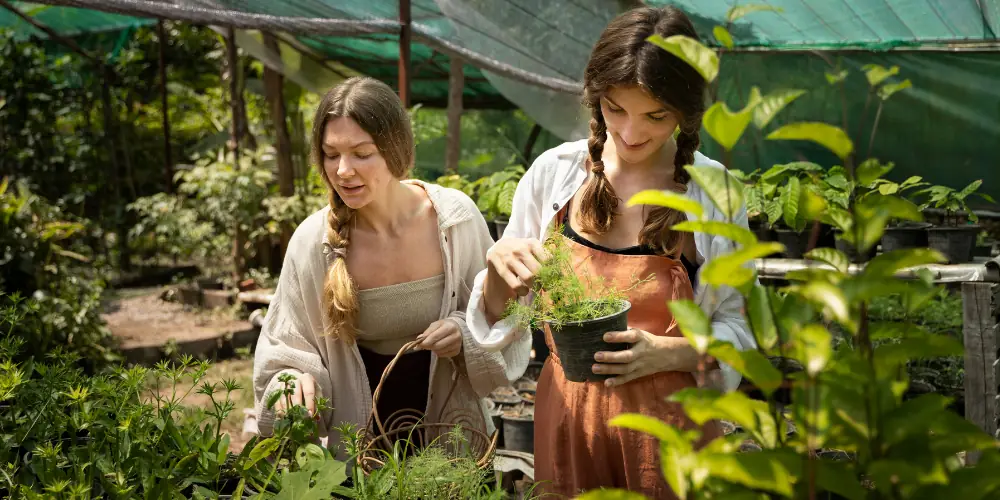
The sight of thirty-somethings hauling water buckets or showing off backyard bees has become common. What looks like nostalgia is something else entirely. For a generation that grew up glued to screens and now pays rent like it’s a luxury tax, homesteading feels like a way to step off the hamster wheel—at least for part of the day.
Rethinking Urban Living
Ask anyone paying two-thirds of their income for a studio apartment: at some point, the math—and the stress—stop adding up. Lockdowns were a breaking point for many, forcing them to imagine what life could look like with more space, fresh air, and autonomy. On even a small plot, the hours feel different. Morning begins with chores, not emails; evenings stretch around sunlight, not deadlines.
Environmental Priorities
This generation has lived through supply shortages, rising utility bills, and summer temperatures that feel unlivable. Installing solar, diverting rainwater, composting kitchen scraps—these are daily experiments in control. Sustainability becomes less of a lofty ideal and more of a rhythm tied to weather, soil, and harvest.
Seeking Financial Stability
Homesteading is rarely sold as a get-rich path, but many are drawn to the financial buffers it creates. A vegetable patch may save grocery money; surplus honey might pay for tools; farm stays can supplement unpredictable income. It’s piecemeal, but dependable in its variety.
Health and Wellness Motivations
One of the first surprises is how differently food tastes when it’s fresh. But health benefits stretch beyond flavor. Everyday work—shoveling, mending, lifting—conditions the body without a gym pass. For the mind, even repetitive chores can bring peace. There’s something about trimming vines or kneading dough that forces a slowing down few apps ever manage.
Balancing Technology Overload
Phones and apps don’t vanish, but their grip loosens. Soil tests replace doomscrolling; weather alerts feel more urgent than likes. Many who homestead remark on the novelty of silence—only broken by the cluck of hens or the sound of wind through trees.
Building Community and Skills
Despite its image, homesteading is rarely solitary. Workshops, seed exchanges, and farmers’ markets turn into classrooms and social hubs. Each skill learned opens another door—cheesemaking, woodworking, herbal remedies—and with every trade, confidence grows.
Moving Away From Consumerism
Living this way rewires buying habits. Instead of treating broken items as disposable, repair becomes instinct. Shopping slows down. The result isn’t scarcity, but a shift toward usefulness and durability.
Opportunities for Entrepreneurship
Many discover unplanned income streams: soap-making, workshops, digital tutorials, or farmers’ market stalls. The combination of hands-on work with online storytelling creates unusual opportunities that bridge old and new economies.
Access to Knowledge and Resources
Today’s homesteaders can draw on global information networks their grandparents never had. A YouTube series on soil microbiomes, a seed swap with someone in another country, or online communities trading recipes create a blend of inherited tradition and modern connection.
A Lifestyle That Resonates
Millennials gravitate to homesteading because it aligns with their challenges and ambitions—financial stability, environmental care, personal wellness, and sanity in a hyperconnected age. What looks simple on the surface is actually a layered response to complex pressures.