
Relationships shape emotions, confidence, and daily life. Yet not every connection brings peace or growth.
Recently, the phrase “low-vibrational relationship” has gained attention across social media, especially among younger generations. The term may sound trendy, yet it points to something many people already recognize: a relationship that drains energy instead of adding joy.
People now use this phrase to describe romantic partners, friendships, and even family relationships that leave them emotionally exhausted. While the label sounds modern, the experience feels very familiar.
Why the Term Is Becoming So Popular
Many people look for simple ways to explain complicated emotions. That is why the phrase has spread so quickly online.
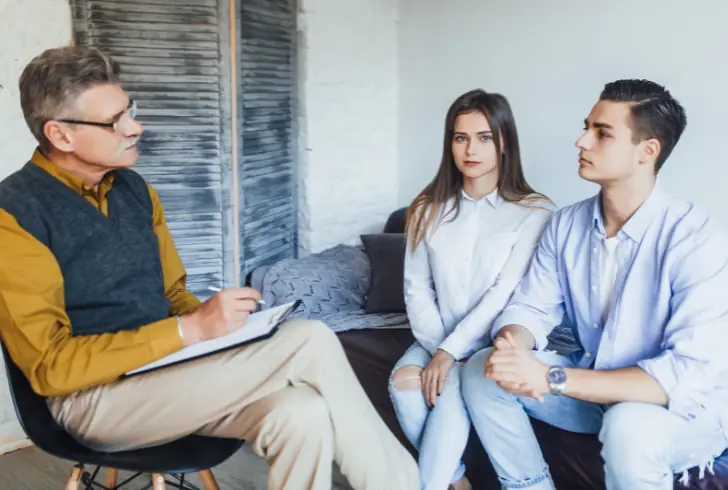
Couples therapist Matthew J. Greenwood explained that social media users often use labels like this because they help identify unhealthy behaviors quickly. According to his view, these terms allow people to trust their instincts and place self-care ahead of trying to change someone else.
Still, experts warn against using the phrase too casually. Every difficult relationship does not automatically become low vibrational. The pattern matters far more than one bad day or temporary struggles.
What Does a Low-Vibrational Relationship Mean?
A low-vibrational relationship usually feels emotionally draining. Instead of feeling supported, one person carries most of the emotional weight.
Relationship expert Shan Boodram described these connections as relationships that “drain energy rather than create it.” She explained that growth often becomes one-sided, while one partner handles difficult conversations, emotional reflection, and personal development alone.
Eventually, that imbalance creates frustration. Energy fades, and emotional exhaustion takes its place.
The relationship may continue, yet the excitement and emotional safety slowly disappear.
Warning Signs That Should Not Be Ignored
Several patterns often appear in low-vibrational relationships. While every situation differs, these signs frequently show up:
1. One person takes responsibility for all emotional discussions.
2. Personal needs get dismissed or ignored.
3. Requests for consistency or respect seem “too demanding.”
4. Emotional exhaustion replaces happiness.
5. Communication feels tense or forced.
6. Friends and family start expressing concern.
Therapist Eloise Skinner noted that people may also notice changes within themselves. Motivation can decline, confidence may weaken, and personal goals suddenly feel unrealistic.
She explained that unresolved tension often creates a barrier between partners. Because of that, many people sense that something feels wrong even when they cannot identify the exact issue.
Could It Be Personality Differences Instead?
Not every quiet or reserved person creates a low-vibrational relationship.
Boodram pointed out that society often rewards outgoing personalities while judging introverts unfairly. Because of this, people sometimes confuse calm behavior with emotional distance.
Life circumstances matter too. Mental health struggles, stress, grief, or trauma can temporarily affect someone’s mood and energy. A difficult season does not always indicate a long-term pattern.
Boodram explained that many people experience periods where optimism fades or energy drops. Therefore, understanding emotional health helps separate temporary challenges from deeper relationship problems.
Patience and observation often reveal the difference.
Low-Vibrational Friendships Exist Too
This idea does not apply only to romance. Friendships can also become emotionally exhausting. One-sided dynamics often leave people feeling used rather than valued.
Skinner explained that friendships usually create less pressure because they are rarely exclusive. Even so, an unhealthy friendship can still affect emotional well-being.
The signs look familiar. One friend constantly seeks support yet offers none in return. Plans always depend on one person. Emotional labor falls on the same shoulders again and again.
Eventually, resentment grows. Healthy friendships create balance. Low-vibrational friendships slowly remove it.
What If Someone Becomes the Problem?
This question often makes people uncomfortable. Yet self-awareness plays an important role in every relationship.
Most people do not intentionally create unhealthy dynamics. Stress, insecurity, or unresolved emotions sometimes influence behavior without clear awareness.

Skinner encouraged regular self-reflection as a healthy habit. Therapy, exercise, journaling, creative hobbies, and meaningful conversations can help people understand their emotional patterns.
She also suggested speaking honestly with trusted friends or partners. Their perspective may reveal blind spots or offer reassurance.
Skinner shared another important reminder. Feeling emotionally low should not create shame. Instead, it can serve as a signal that deeper issues need attention and care.
Nobody feels positive every day. Sadness and frustration remain part of life. Yet people can recognize those emotions, seek support, and gradually move toward healthier habits.
Building Relationships That Feel Lighter
Strong relationships rarely depend on constant happiness. Instead, they thrive through respect, accountability, and emotional support.
People who feel heard usually communicate more openly. Partners who grow together often create stronger bonds. Friends who offer equal care tend to build lasting trust.
Meanwhile, relationships that repeatedly drain energy deserve honest evaluation.
The phrase “low vibrational” may come from social media, yet the message behind it remains timeless. Healthy connections should encourage growth, create emotional safety, and bring more peace than stress. When relationships support those qualities, people often feel stronger, happier, and far more connected to the world around them.