Love isn’t disappearing from social media—it’s just stepping back behind the scenes. In an era where every moment seems destined for a story, post, or reel, more and more Gen Z couples are choosing to keep their relationships away from public view. These “quiet relationships” aren’t about hiding—they’re about choosing privacy over performance, authenticity over approval.
From skipping engagement announcements to forgoing romantic vacation posts, young adults are reshaping how they express and preserve love. And it’s not a trend driven by shyness or secrecy—it’s about them reclaiming control over something deeply personal.
A Return to Privacy in Love
For Gen Z—those currently between their late teens and late 20s—keeping love off social platforms isn’t just refreshing. It’s intentional.
Many have grown up immersed in digital life. They’ve seen how easily curated images of perfect date nights and extravagant gestures can distort what relationships really are. Platforms like Instagram and TikTok often highlight only the highs, and that can make everyday love feel… not enough.
This realization has led to a subtle but powerful cultural shift. City hall elopements are trending on Pinterest. Search interest in private couples’ content has grown steadily. Fewer romantic milestones are being shared with online followers.
Why? Because not posting has become a way to protect something real.
When Love Goes Offline
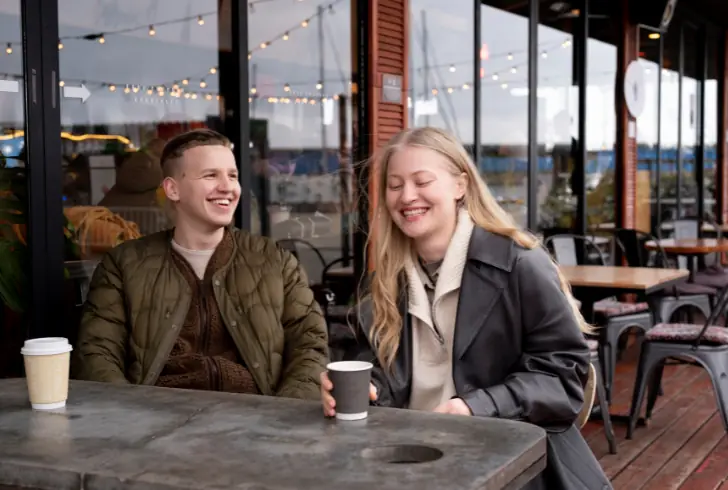
Val, 22, has been engaged for nine months. But there’s no ring pic, no “she said yes” moment online. For her and her fiancé, it’s a mutual decision rooted in comfort—not secrecy.
“We live our lives in peace,” she explained. Their love isn’t displayed in photo dumps—it’s found in shared routines, their pets, their home.
Many others are finding the same kind of clarity. Keeping a relationship private means fewer opinions, less pressure, and room to grow without an audience.
The Social Media Disconnect
Social media, by nature, pushes for visibility. But the filtered, highlight-reel version of relationships often creates unrealistic expectations. Studies even show that frequent posting about a partner can be tied to relationship anxiety and lower satisfaction.
According to Rae Weiss, a Gen Z dating coach and psychology researcher, these platforms can cause emotional tension when everyday love doesn’t match what’s seen online. A dinner at home, a quiet walk, or even a disagreement rarely gets posted—but those moments matter most in a relationship.
By stepping away from the need to post, young couples are choosing to value these offline moments.
The Fine Line
There’s a big difference between keeping something private and keeping it hidden. Privacy is about care, while secrecy usually hides behind shame or deception.
Licensed therapist Lia Huynh points out that couples should talk openly about why they want to keep things off social media. If the goal is to protect the relationship, not hide it, that’s healthy. But when one partner feels excluded or unsure, that’s where conflict can start.
It’s not about never sharing—it’s about sharing with intention.
Soft Launching
Gen Z isn’t completely off the grid. “Soft launches” are everywhere—two coffee mugs in a post, a mystery hand in a sunset photo, or just the back of someone’s head. These glimpses say, “I’m in love,” without inviting commentary.
Apps like Instagram also make it easier to choose how public a moment is. Stories that disappear in 24 hours feel lower-stakes than permanent grid posts. Users can control who sees what, when, and how often.
This approach keeps personal boundaries intact while still letting a relationship breathe in the digital space.
The Role of ‘Imagined Surveillance’
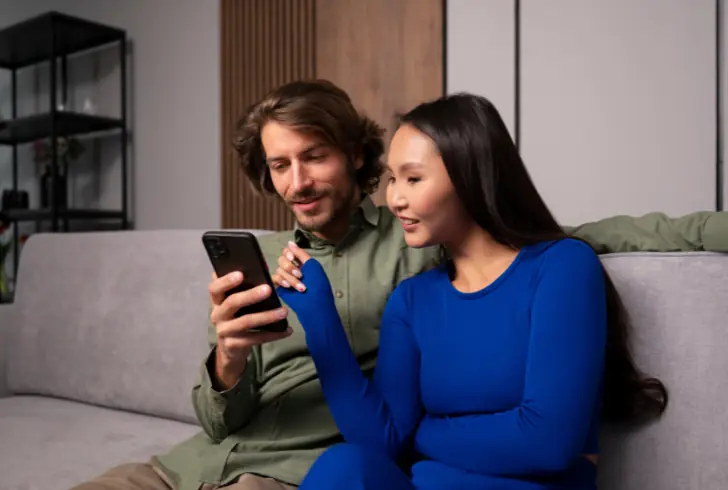
For many young adults, it’s not just about privacy; it’s also about avoiding what communication experts call “imagined surveillance.” This is the feeling that everything posted is being watched, judged, and discussed, even if it isn’t.
It’s not just influencers who feel this pressure. Regular users are aware that others analyze their posts, zoom into the details, and draw conclusions. This kind of quiet pressure can cloud a person’s ability to honestly evaluate their relationship, especially early on.
Jason, 21, said he’s chosen to not share anything about his girlfriend on social media—not because he’s hiding her, but because he’s seen how others nitpick and gossip.
Love shouldn’t need to survive a group chat’s judgment.
Why This Shift in Love Matters
Choosing to keep love private is becoming one of Gen Z’s most intentional shifts in how they engage with relationships. As social platforms become less central to their personal lives, many are finding deeper value in presence, trust, and real connection—without the need for public validation.
Experts note that this kind of privacy helps create more grounded relationships by removing the pressure of performing for an audience. Love doesn’t need an audience to be real.
From soft launches to simply opting out of oversharing, Gen Z is placing meaning over display—and that quiet confidence may be redefining modern intimacy in the most authentic way.